People ask me what I do, and the honest answer is awkward: you've probably seen my work and never known anyone designed it.
A production designer builds the physical world a show happens in. Not the set for one scene — the whole environment. The structures, the spaces people move through, the way a stage changes, how it all reads from the back row and on camera, and whether it survives night after night without falling apart. It sits somewhere between art and engineering.
More than a set
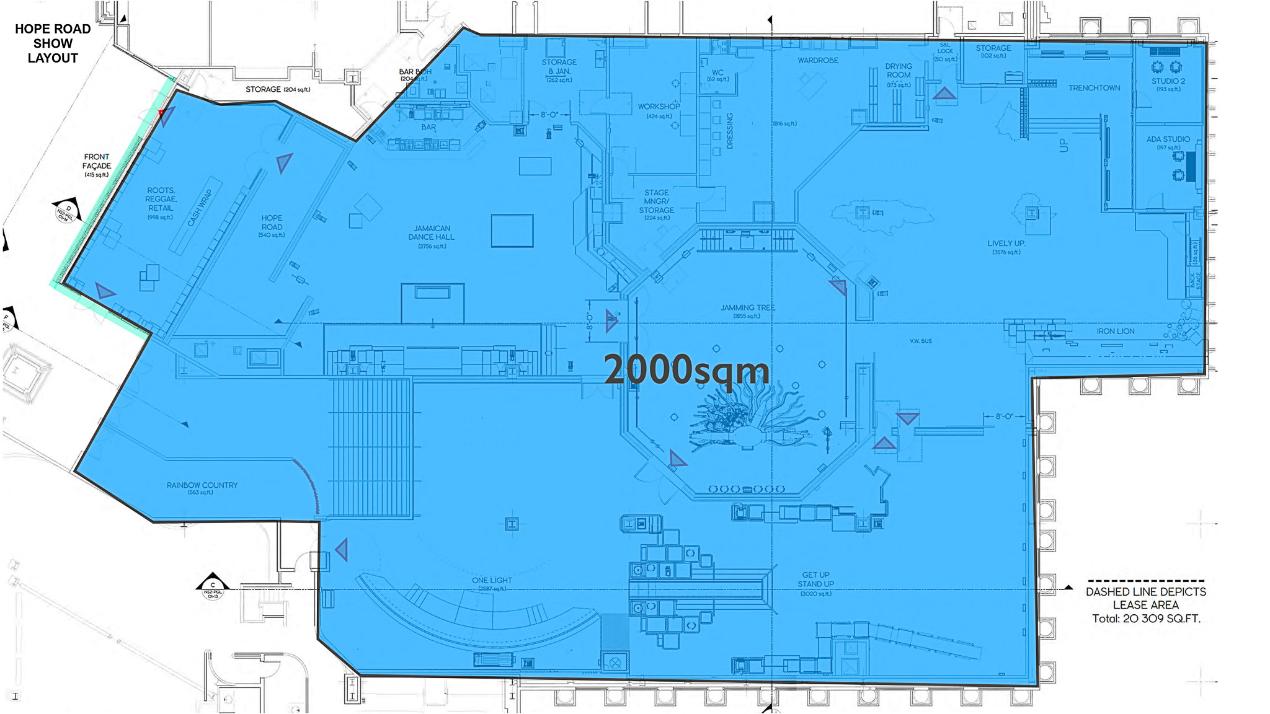
A set designer handles the scenery for a scene. I'm working on the whole place around it. So I'm thinking about sightlines and structural loads as much as mood and colour. About what a guest sees first, and what they should never see at all. About how a crew actually moves through the space at 2am to reset it.
The same job at every scale
I've done this for a stadium ceremony watched by millions and for a news set that had to vanish behind the anchor. They look like opposite problems. They're the same one: give a story a place to happen, and build it so the audience feels something before anyone says a word.
What changes is the constraint. A ceremony has to land once, at enormous scale. A theme park has to keep landing, every day, for years. A broadcast has to disappear. Each one teaches you something the others can't.
Why it's invisible
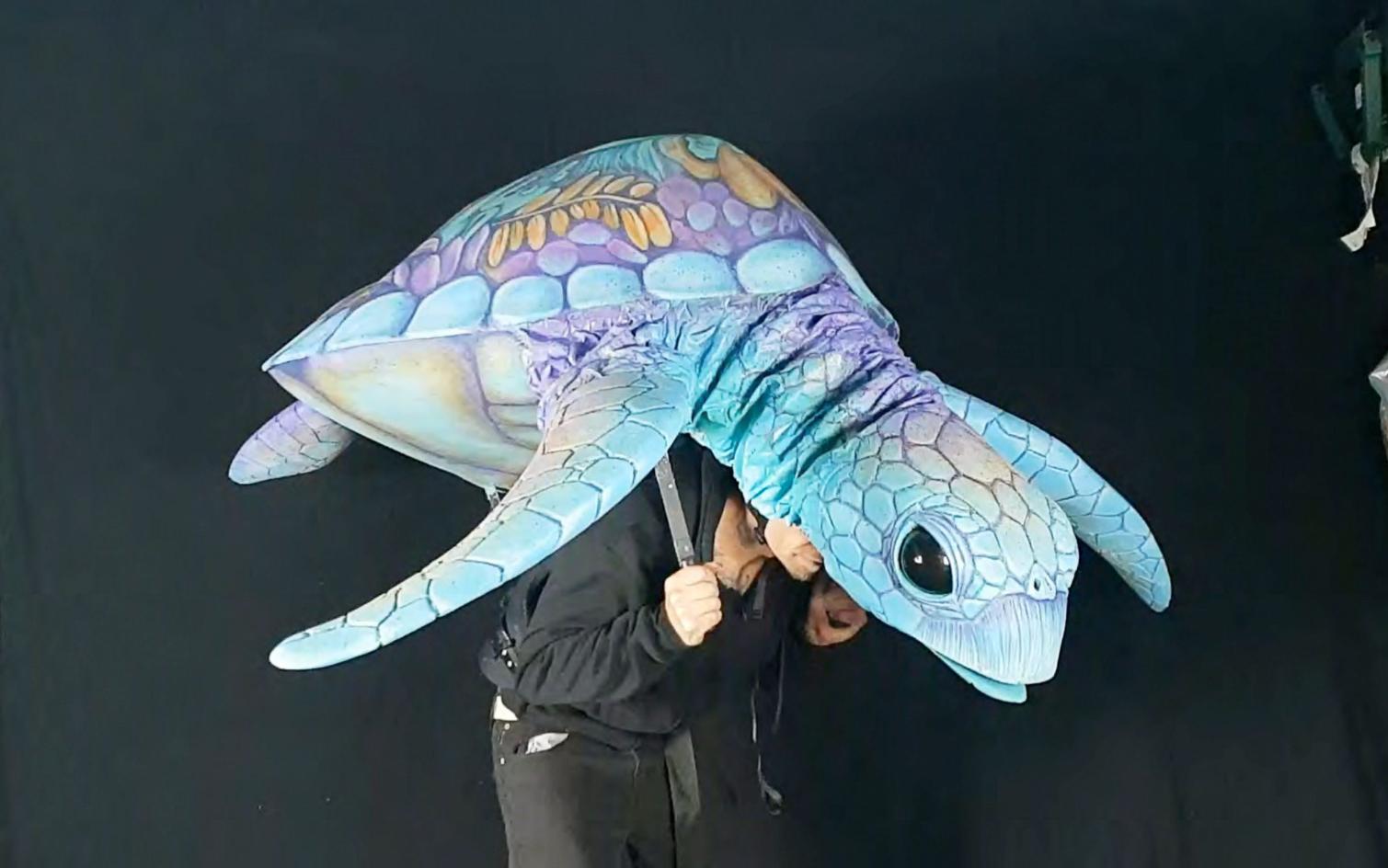
Here's the part I've made peace with: when the design works, nobody notices it. People remember the fireworks, the haunted corridor, the moment — not the drawings or the months of problem-solving behind them. The better the work, the less you see it. That's not a complaint. It's the whole point.