Some of the hardest things I've built move.
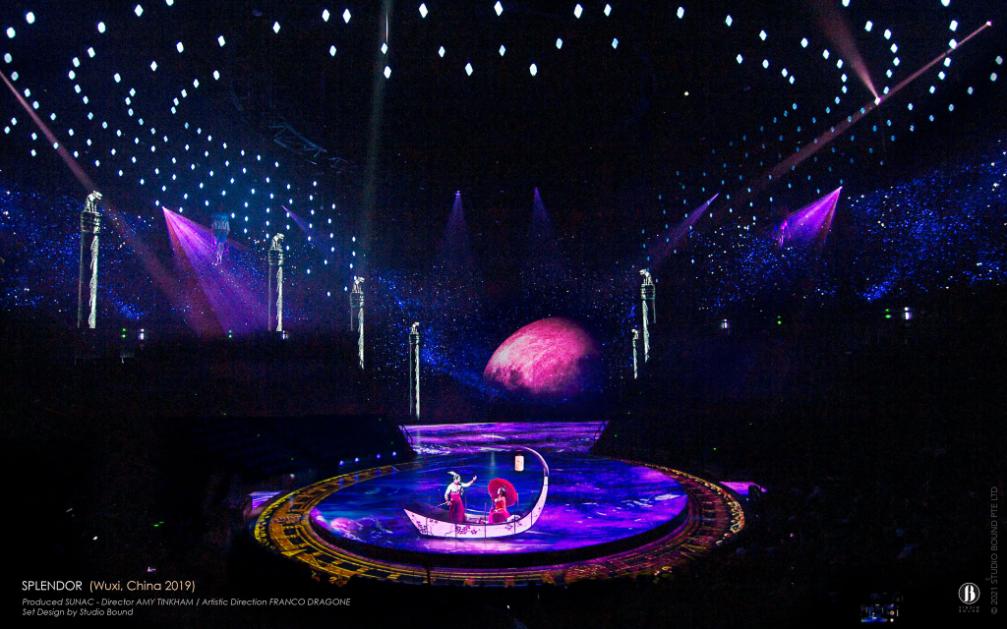
Splendor — the Taihu Show — opened in Wuxi in December 2019, in a purpose-built 2,000-seat theatre at the Sunac resort. It's a Dragone creation, directed by Amy Tinkham, telling the legend of Xi Shi. I worked on it as kinetic and set designer, alongside co-set designer Bian Wentong.
When the stage is part of the choreography
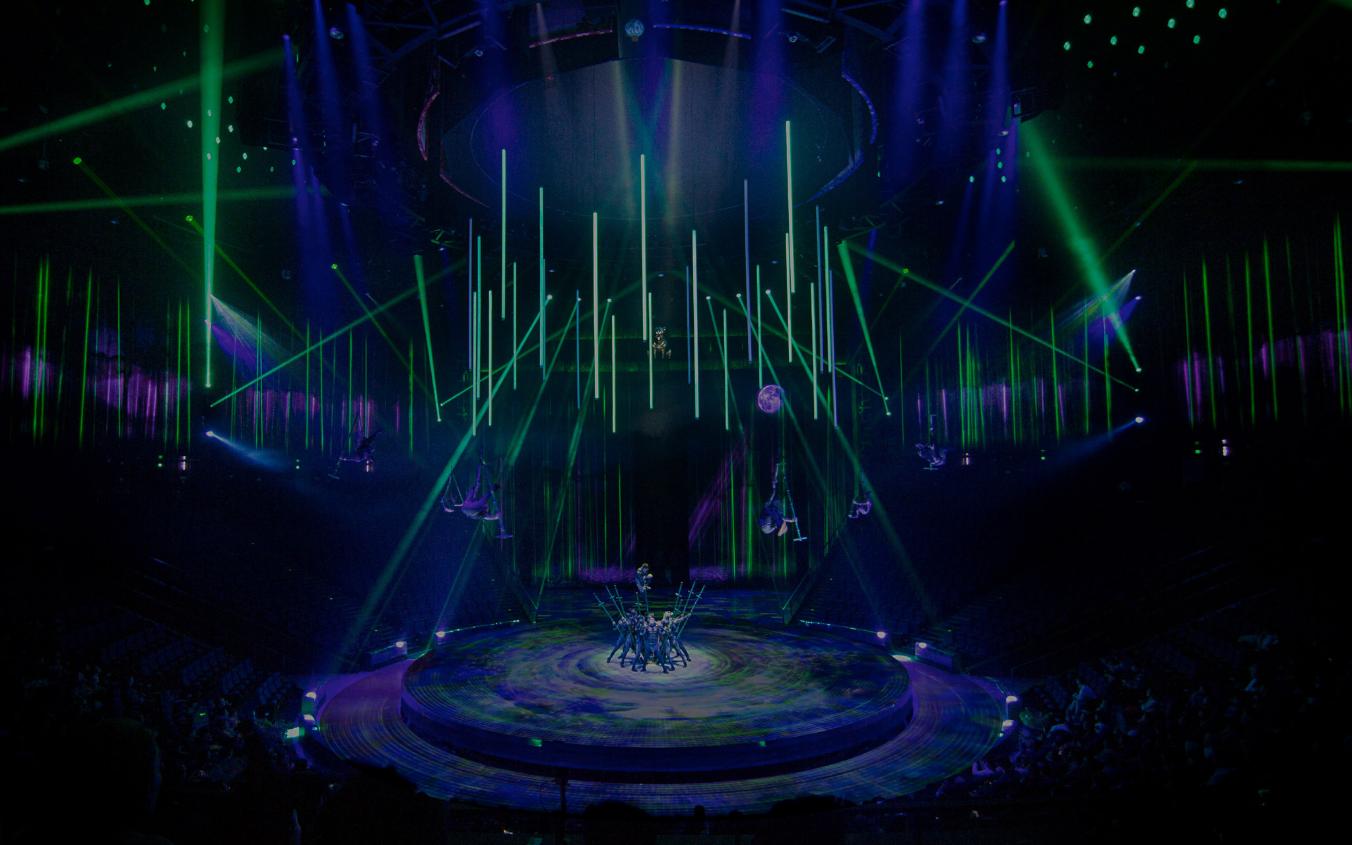
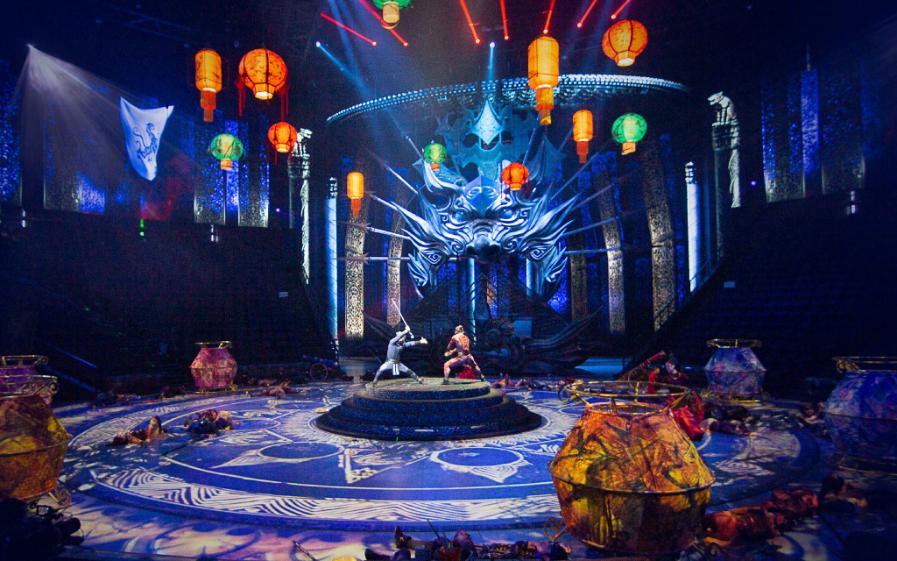
It was built around a revolving centre stage, a tilting and rotating lift, and a 360-degree LED surface about 9.5 metres high. The scenery doesn't sit still and get looked at — it rises, turns and transforms while people are watching.
That's a different kind of design. It's as much mechanical engineering as scenography. Every moving piece has to be precise, repeatable and safe — not once, but every night, with the audience a few metres away. Weight, balance, reset speed: those become creative decisions, because if the mechanics aren't invisible, the magic isn't there.
A credit I don't usually get
On most live work my name sits behind the producer's or the director's — that's normal for design. Splendor is one of the few where Dragone's own materials list me by name. I won't pretend that doesn't mean something.
What it taught me
Splendor is where I learned how far you can push motion before it stops feeling like wonder and starts feeling like a machine. The whole job is to keep the engineering out of sight, so all anyone sees is a world that seems to move on its own.