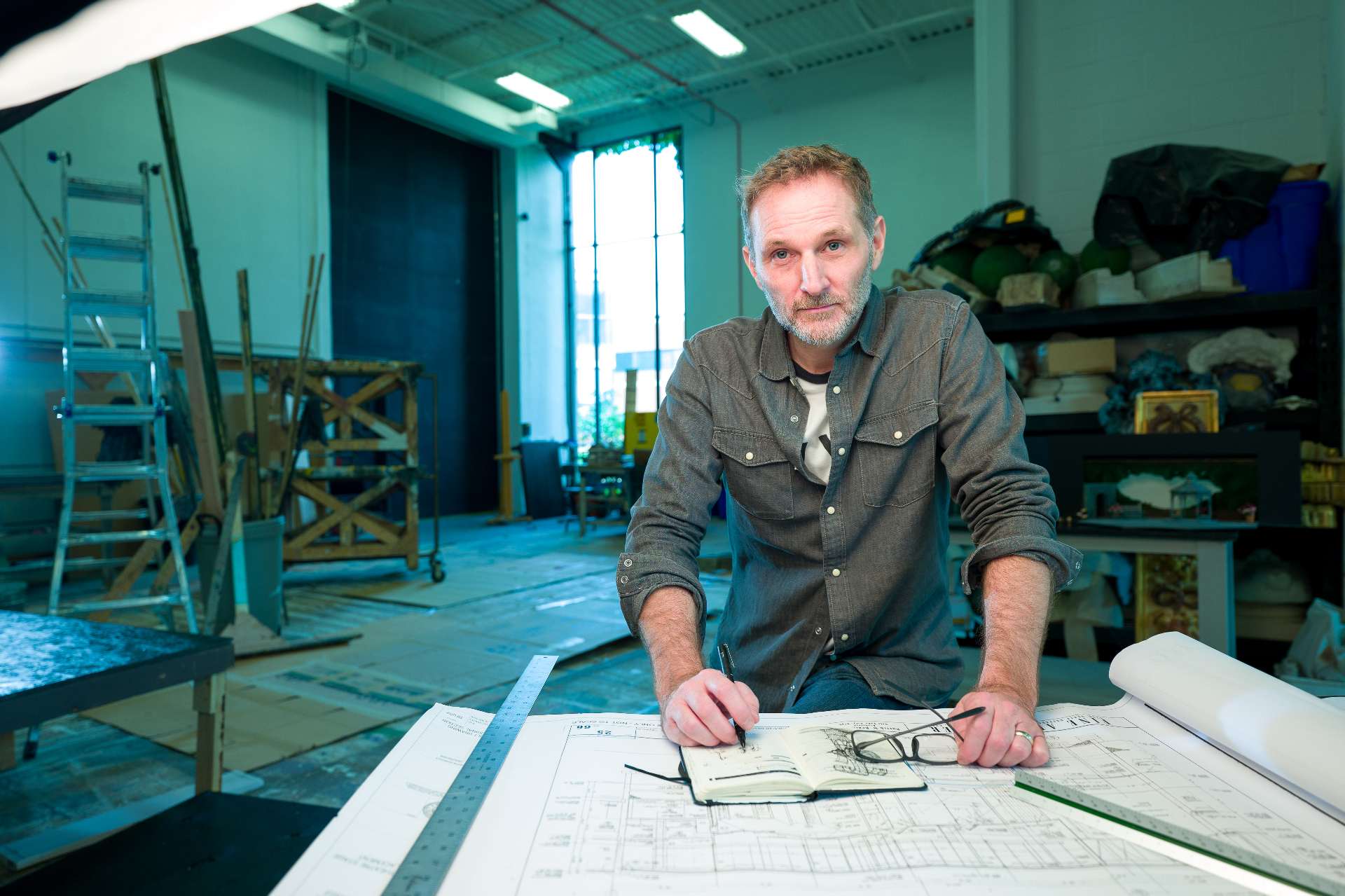
People don't tend to think about who designs the room a big moment happens in. They remember the fireworks over the stadium, the dome lit up for a world's fair, the corridor that made them jump. They don't picture the drawings, the structural maths or the months of problem-solving behind any of it. That hidden work — turning a story, a nation's pride or a brand into a physical place at scale — is what I've been doing for more than twenty years.
I'm a production designer, scenographer and creative director, and I founded Studio Bound, my Singapore practice, in 2015. The work has taken me from regional scene shops to a world expo watched by hundreds of millions. The instinct hasn't really shifted: build the place that makes the audience feel something before anyone says a word.
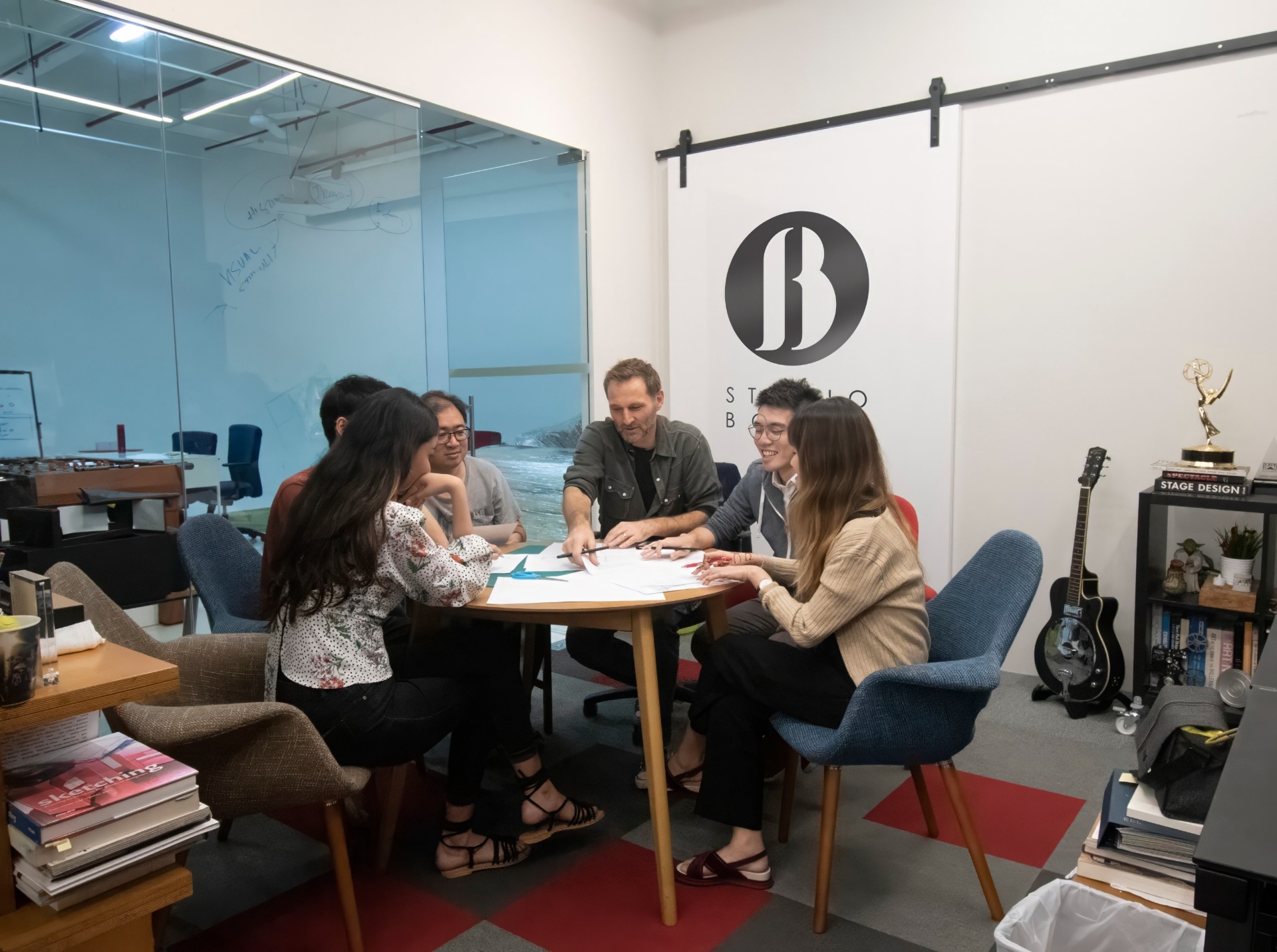
Designing at the scale of a city block
A lot of jobs are measured in metres. Mine are usually measured in stadiums, plazas and purpose-built theatres. For the opening and closing ceremonies of Expo 2020 Dubai I was production designer on a show staged around the Al Wasl dome — one of the largest 360-degree projection surfaces ever built — produced by FiveCurrents, with artistic direction from Franco Dragone. The "set" is effectively a landmark, and every sightline has to work for a live crowd and a global broadcast feed at the same time.
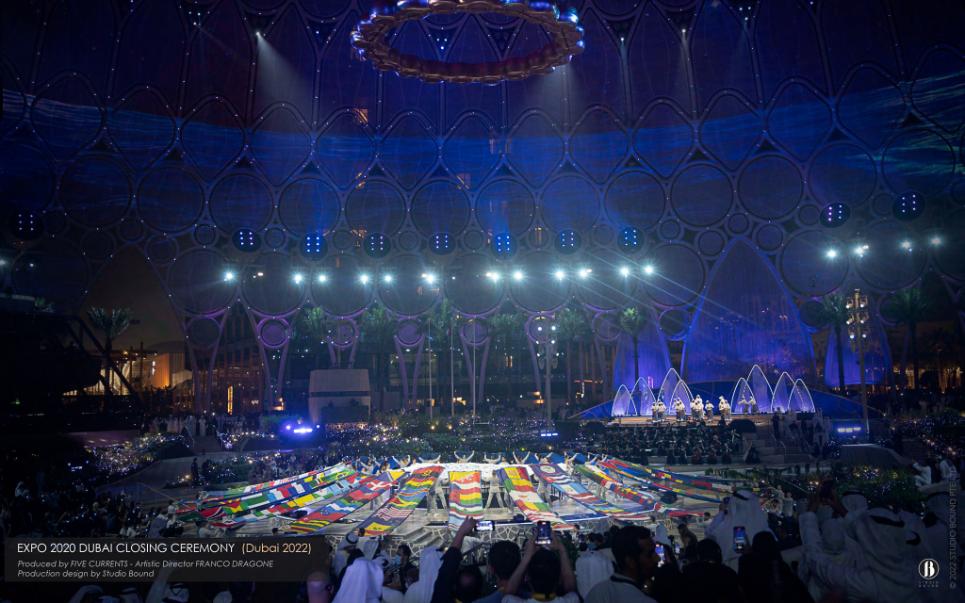
That double demand — legible from the back row and clean on every camera — runs through most of what I do. You only really learn it by doing it under pressure, in front of audiences who don't give you a second take.
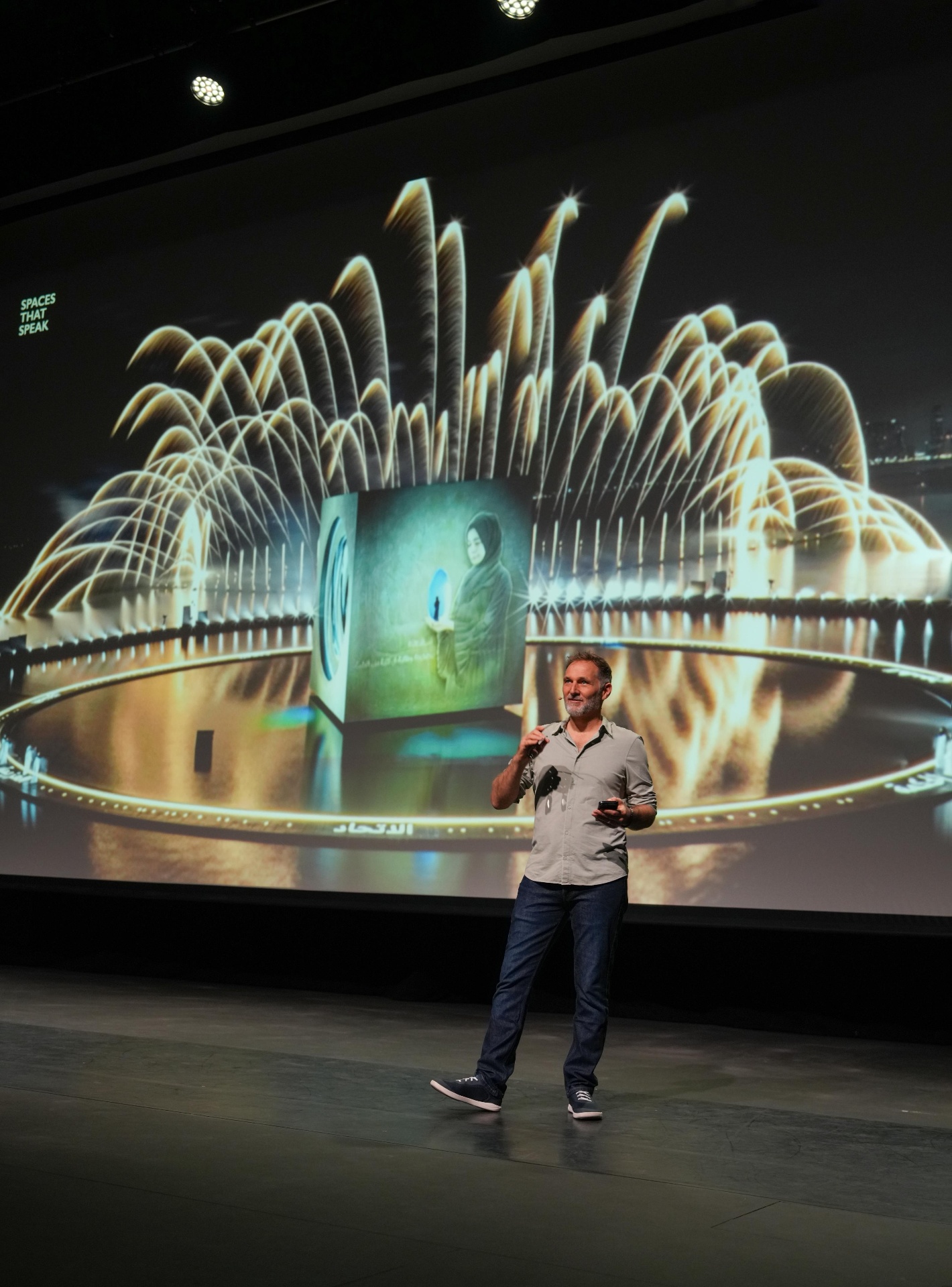
A nation's celebration
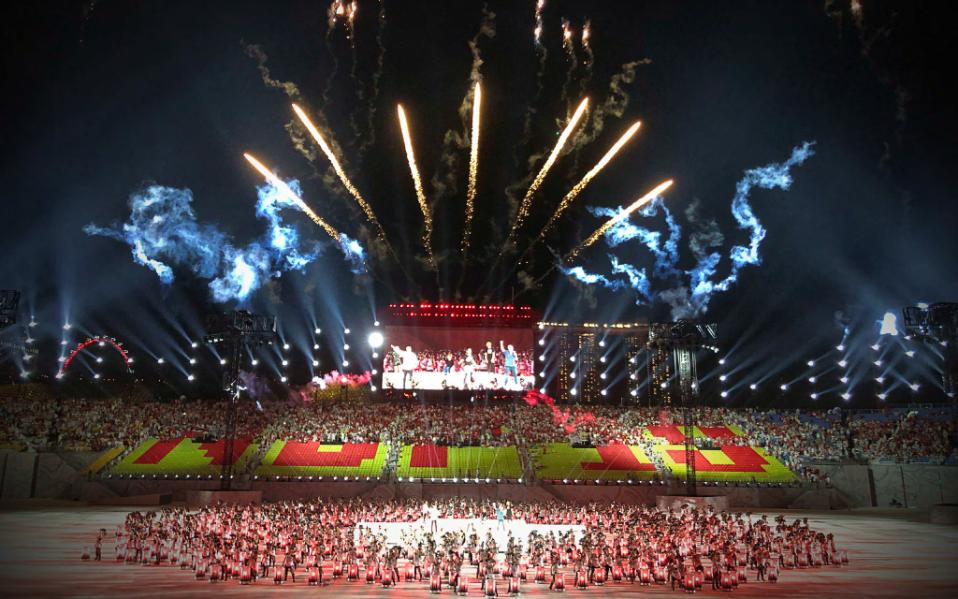
If Expo is design at landmark scale, the Singapore National Day Parade is design at the scale of a nation looking at itself. For the 2019 Bicentennial edition at The Padang, my studio designed sets and props — floats, cultural pieces, lighted mobile stages — for a show that has to carry mass choreography, ceremony and emotion, live in the stadium and on broadcast. There's almost no margin. Everything is watched, everything is remembered, and it only happens once.
From Las Vegas to the Arabian Peninsula
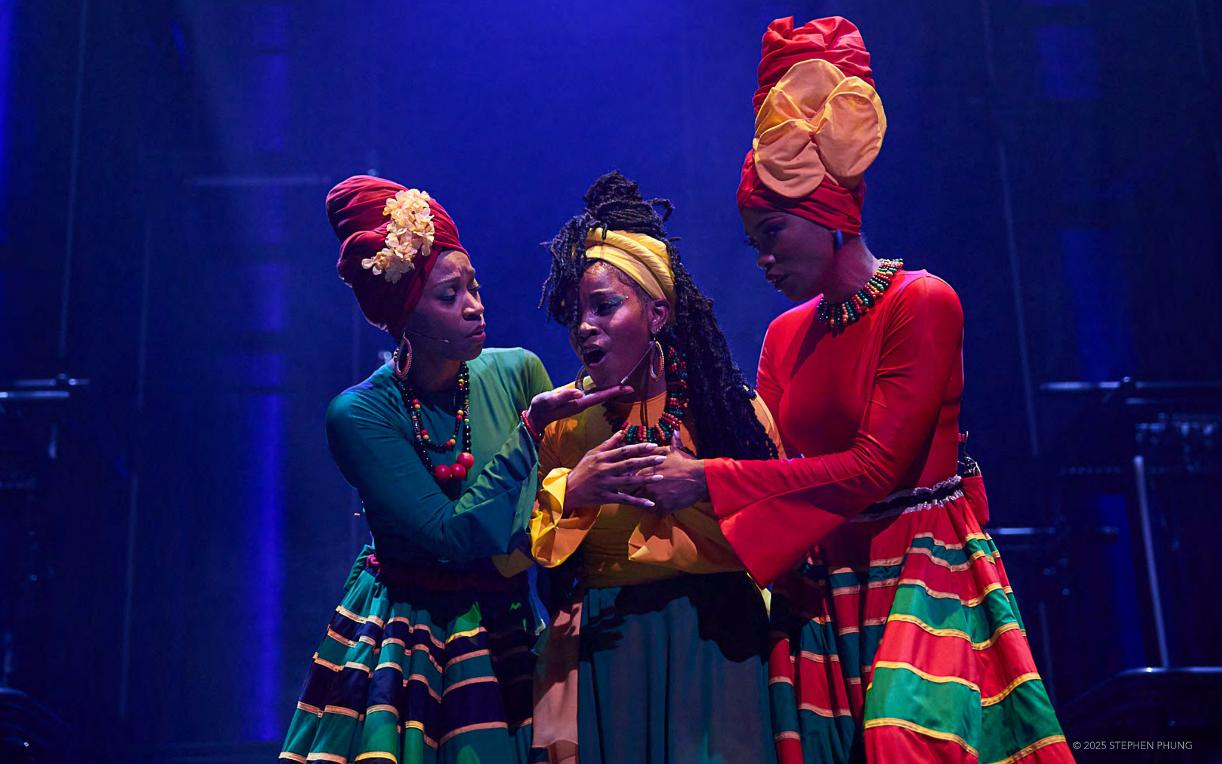
The last few years have pulled my work toward more immersive briefs — places people walk through, not sit in front of. In Las Vegas I was production designer on Bob Marley Hope Road at Mandalay Bay, a 75-minute immersive music experience created by FiveCurrents with Primary Wave Music and the Marley family. It's a series of themed, interconnected rooms — a walk through Marley's world, named after 56 Hope Road in Kingston.
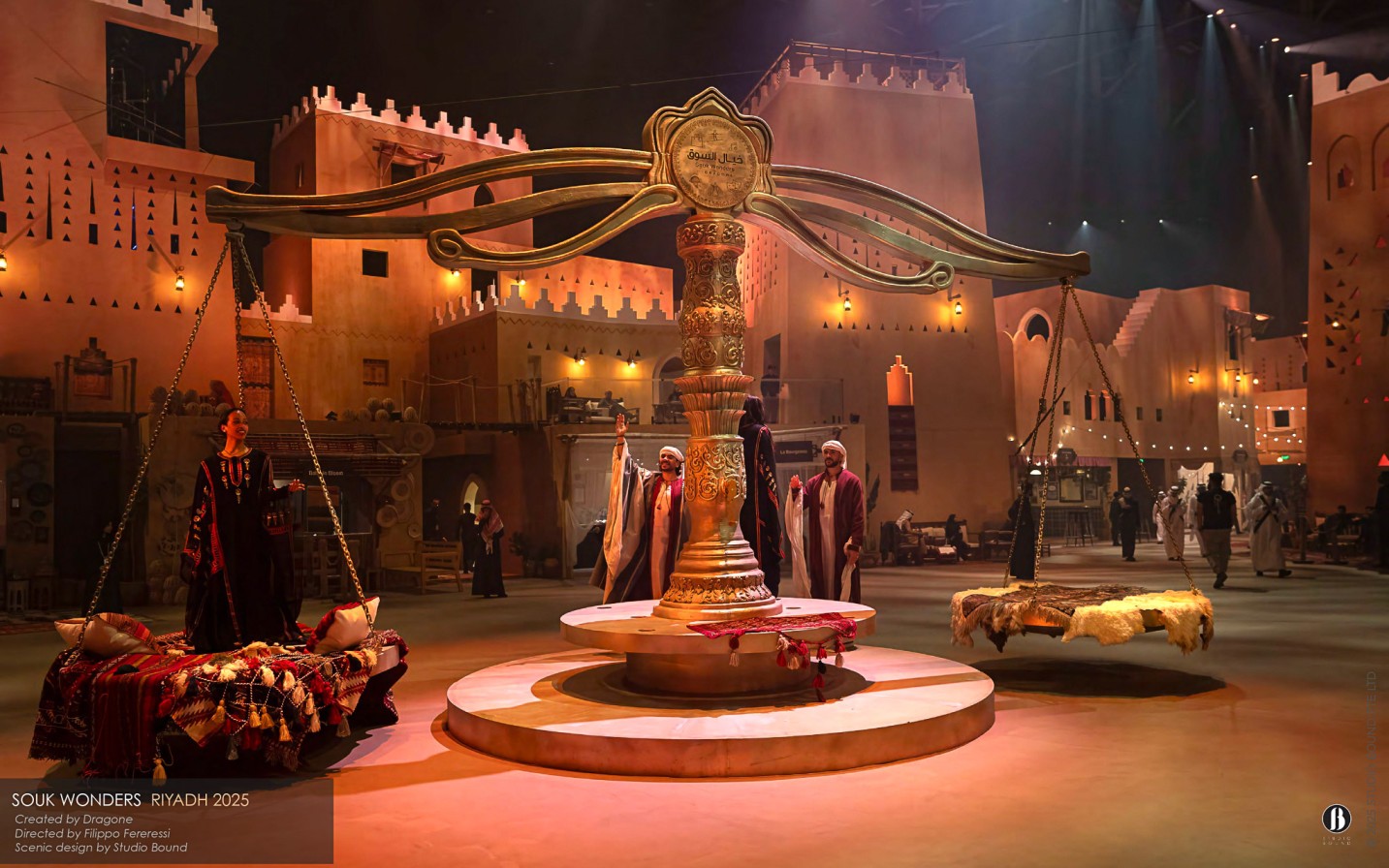
In Saudi Arabia's Diriyah Season I designed for Dragone's Souk Wonders — a 6,500-square-metre immersive marketplace at the Mayadeen, with Najdi architecture, tents, a majlis and a spinning marketplace platform the guests sit on.
Built for the hundredth visit
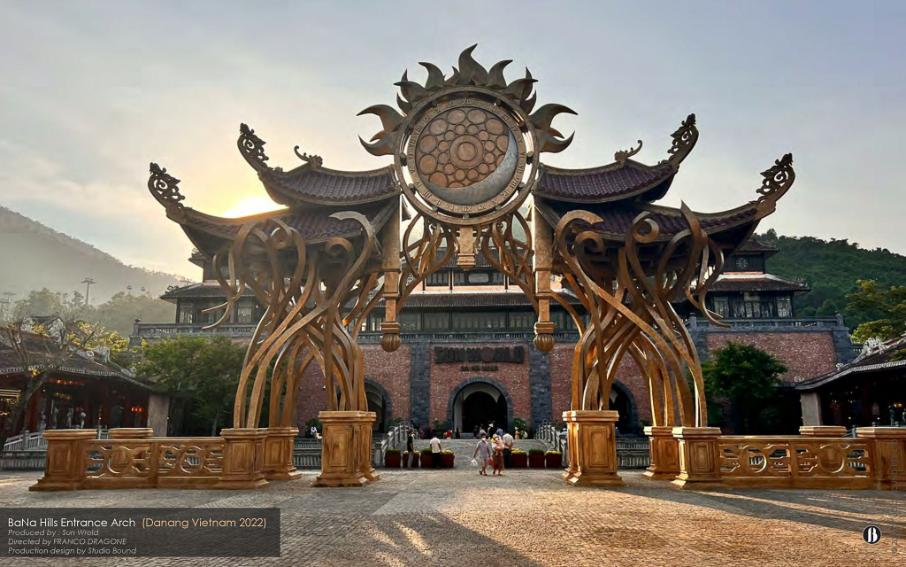
A permanent attraction asks a different question than a one-night ceremony — not whether it works tonight, but whether it still works on the hundredth visit. For Sun Group's Ba Na Hills resort above Da Nang in Vietnam, we designed permanent entertainment environments, folding the mountaintop landscape into the scenography of a place built to be returned to.
The Emmy
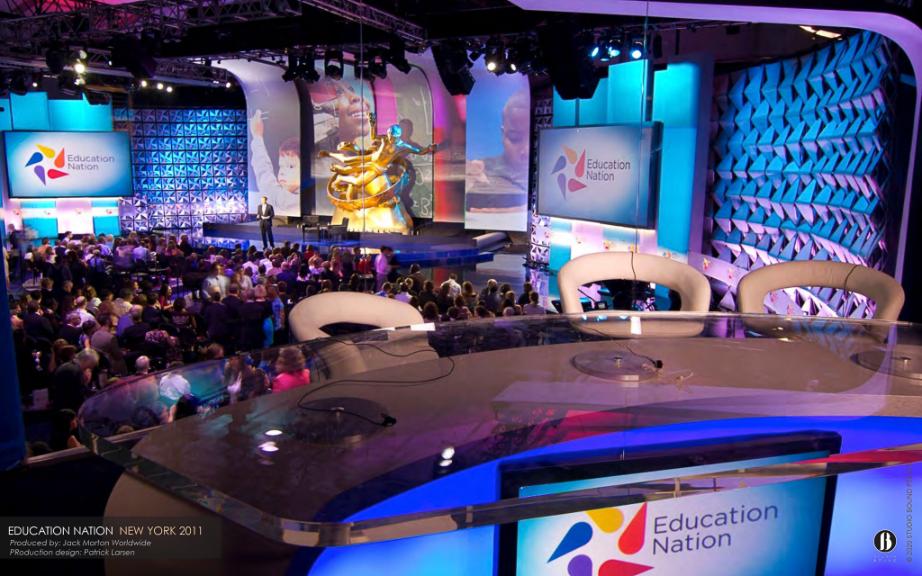
Before the resorts and residencies, I worked in broadcast. It's the most unforgiving school I know. The design has to disappear so the story can land, and perform on every camera for hours at a stretch. My scenic work on NBC News' Education Nation, a working outdoor studio at Rockefeller Center, earned an Emmy.
The throughline
I grew up in St. George, Utah, and built my first sets in high-school scene shops. BFA at Utah State, MFA at UC San Diego, then years in New York as a design director before founding Studio Bound in 2015. The venues have grown from theatres to stadiums to whole resorts. The work hasn't really changed. Give a story a place to happen, and build it so well that nobody thinks about the building.