Studio Bound operates differently from what most people picture when they hear "design studio," and it's worth being open about how, because the model is deliberate.
There is no central room. The studio is a distributed network of specialists, assembled per project and working from wherever they happen to be based. Roughly ninety percent of the work is done remotely — the majority of my own week is spent on video calls. For a practice that produces large, physical work, we are an unusually screen-based operation, and by design.
The projects are not modest ones. Ceremonies, resident shows, themed attractions and broadcast environments on a scale that normally implies a large permanent team under one roof. We deliver them virtually. What makes that possible is not a piece of software; it is trust, applied as an operating principle.
Trust as an operating principle
In practice, trust means three things. It means engaging people whose judgement is good enough that they don't need supervising. It means communicating the intent of a project clearly enough that the team can make sound decisions without me in the room. And it means resisting the urge to control every detail personally — because a distributed studio that depends on one person touching everything cannot scale. That person simply becomes the bottleneck.
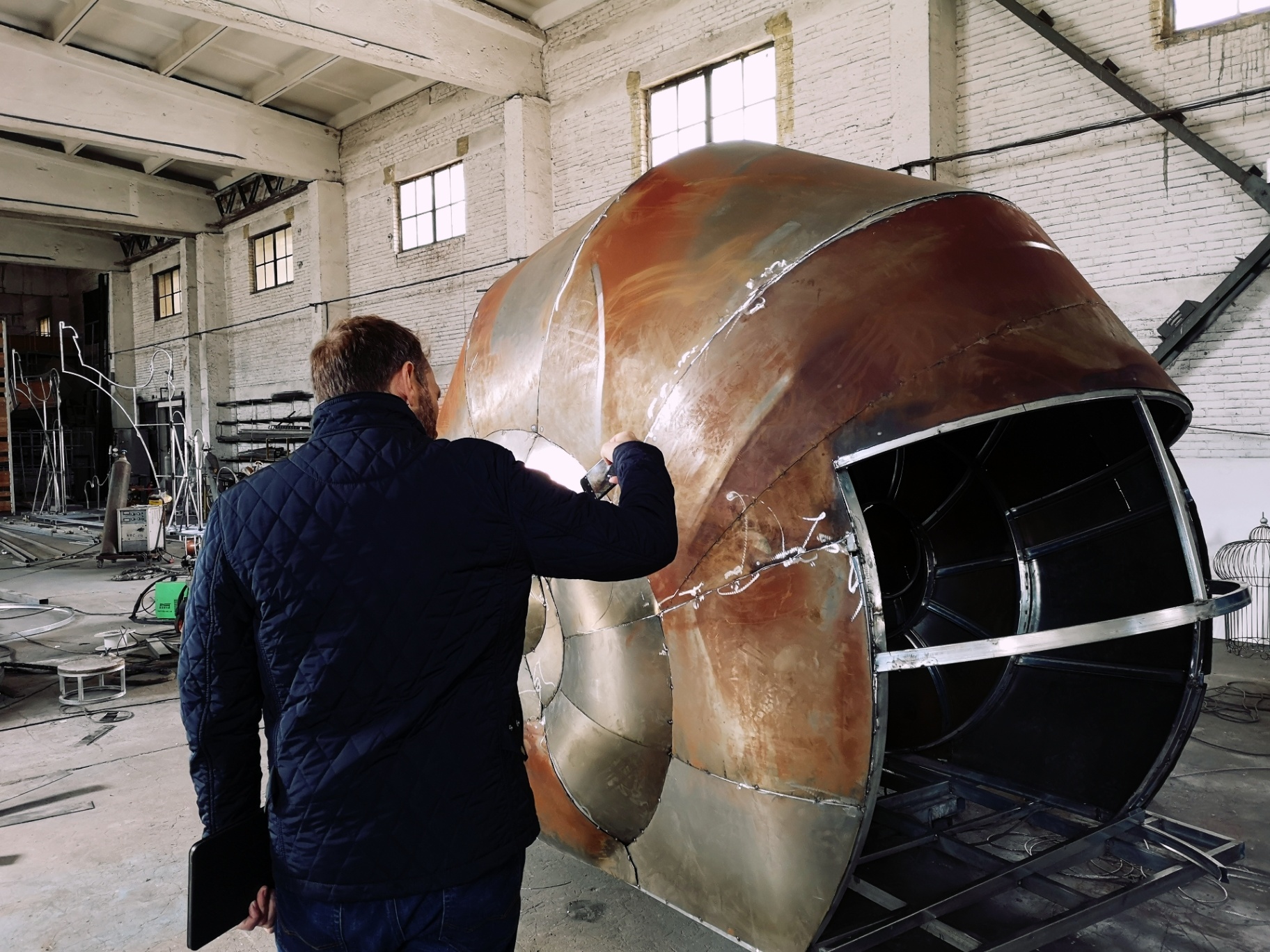
There is a real trade-off, and it is an ironic one for a visual practice: the process is difficult to document. There is no busy studio floor to photograph, no wall of drawings to stand in front of. Most of the work lives inside video windows. The output is substantial; the visible evidence of making it is quiet.
Why it's worth it
We accept that, because the advantage is decisive. The best collaborators and the best opportunities are rarely in the same city. A studio structured to work across distance — on trust rather than proximity — can follow the work wherever it leads. After twenty-five years, it remains the right way to run it.
About Patrick Larsen
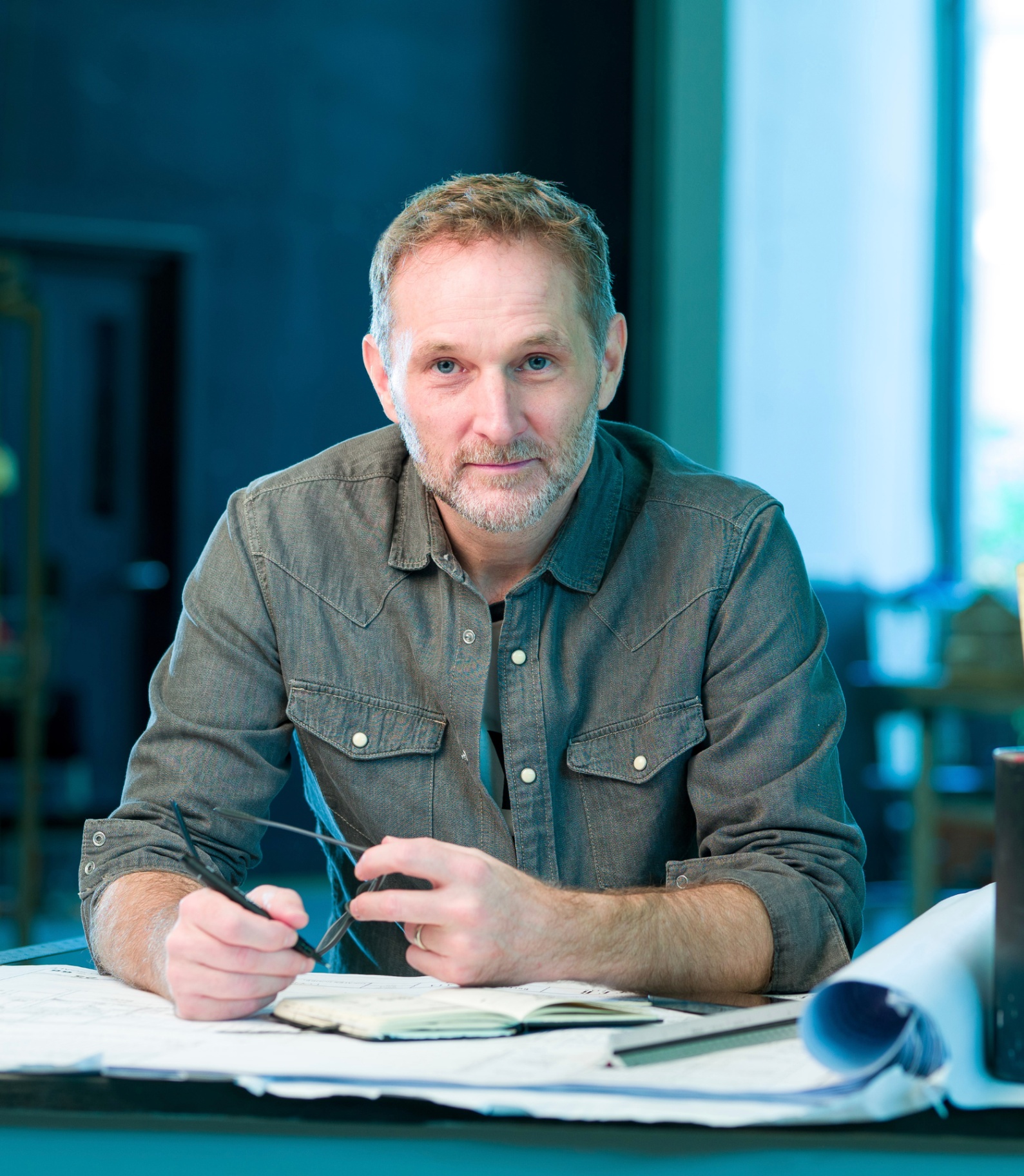
Patrick Larsen is an Emmy Award–winning production designer and the founder of Studio Bound, a Singapore studio working across immersive experiences, themed attractions, live shows, ceremonies and broadcast design. Over more than two decades he has designed for the Expo 2020 Dubai ceremonies, Olympic broadcasts, Las Vegas residencies, and resident shows across Asia and the Middle East.