
The book carries a deliberately contradictory title — The Mystical Science of Creativity — and the contradiction is the argument. The two central words are not meant to sit comfortably together. They are placed side by side because creativity genuinely occupies the space between them, and most accounts of it insist on choosing one side.
The two traditions
One tradition treats creativity as purely mystical: ideas as gifts delivered from elsewhere, on their own schedule, to a fortunate few. It is an ancient view — the source of the very notion of muses — and it endures. Many thoughtful people still describe creativity as ethereal and beyond their command.
The opposing instinct is to render it purely mechanical: a formula, a sequence of steps guaranteeing a good idea. That model fails just as surely. Anyone who has genuinely made things recognises the moment when something arrives that reason alone did not produce, and no checklist fully accounts for it.
Both at once
The accurate position is that creativity is both at once, and that duality is the book's thesis. It is now well established — through psychology as much as through practice — that creativity is a capacity everyone possesses and can develop. That is the science, and it is the liberating half. Yet its mechanics remain incompletely understood; a real element of mystery persists that no method entirely dissolves. That is the mystical, and it is the honest half.
The intention was neither to present creativity as magic nor to reduce it to a machine, but to describe the more accurate thing between the two. The title compresses that argument into three words — and the remainder is the book itself.
About Patrick Larsen
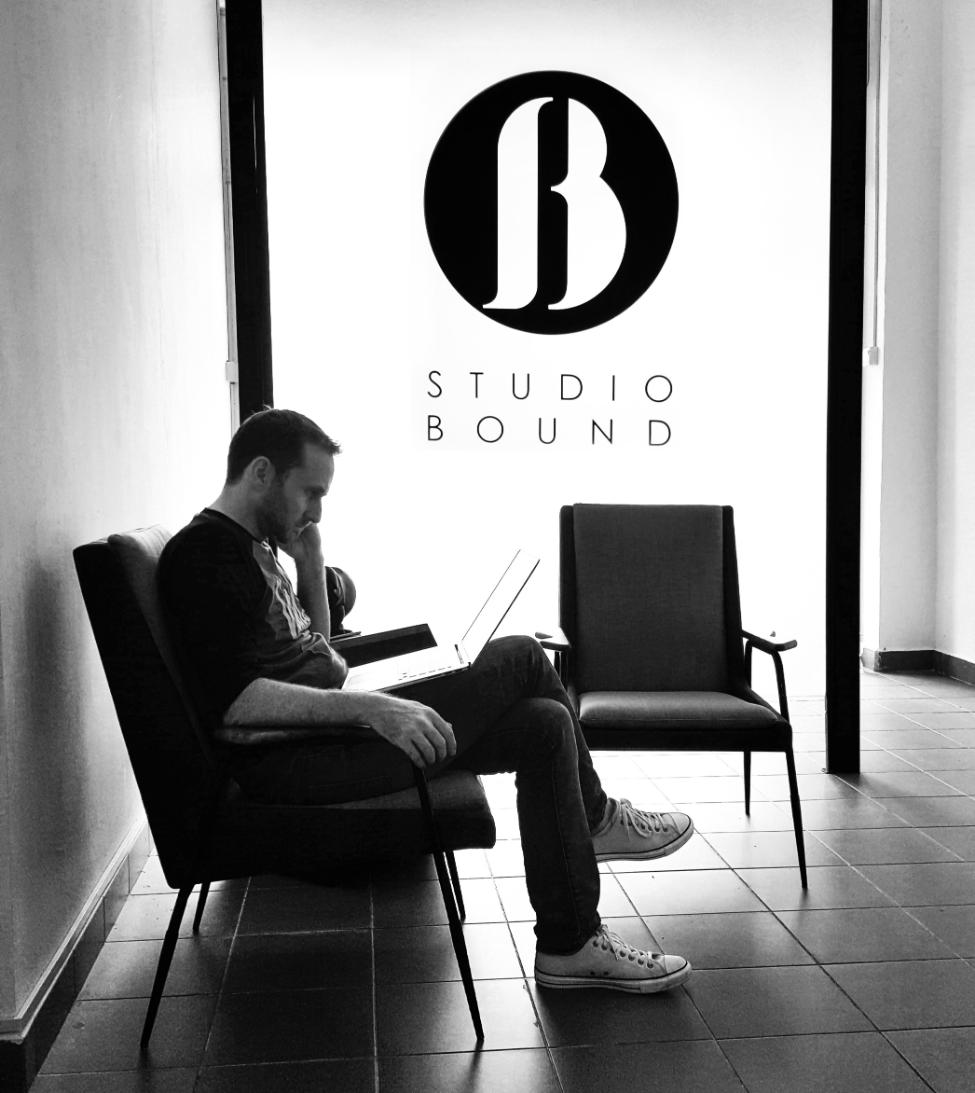
Patrick Larsen is an Emmy Award–winning production designer, the founder of Studio Bound, and the author of The Mystical Science of Creativity. Over more than two decades he has designed for the Expo 2020 Dubai ceremonies, Olympic broadcasts, Las Vegas residencies, and themed attractions across Asia and the Middle East.